Dinosaurs / Horned dinosaurs
Monoclonius
Dinosaur Late Cretaceous
Monoclonius was a horned dinosaur that lived in the Late Cretaceous, 84 to 72 million years ago.
- Lived
- 84 to 72 million years ago
- Fossil finds
- 13

Life restoration
What Monoclonius may have looked like
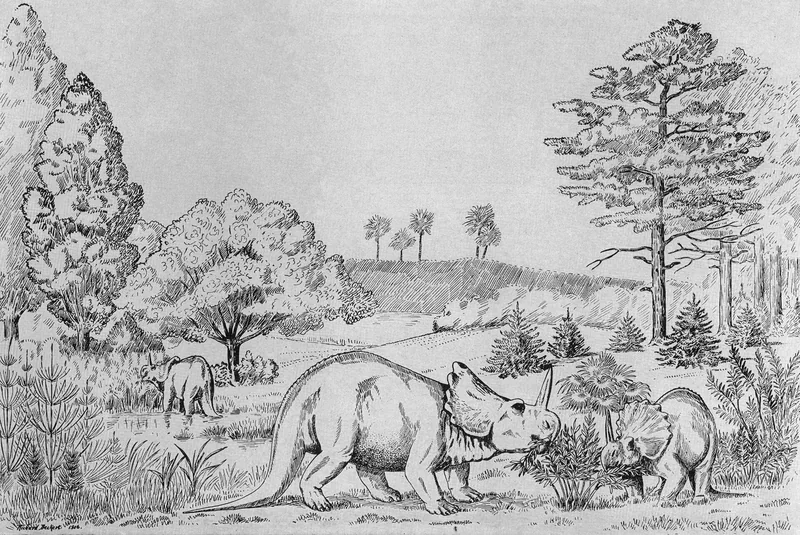
An artist's restoration from the fossils. Colour, skin and other soft parts are informed guesses. Monoclonius by Richard Deckert, Wikimedia Commons, Public domain.
Name
Name and family
The genus was named by Cope in 1876.
Its one listed species is Monoclonius crassus.
It is classed as a herbivore, a diet the database records for Ceratopsia as a whole.
It is one of 44 horned dinosaurs in the Paleobiology Database.
Family tree
- Neornithischia
- Pyrodontia
- Cerapoda
- Marginocephalia
- Ceratopsia
- Ceratopsidae
- Centrosaurinae
- Monoclonius
Fossils
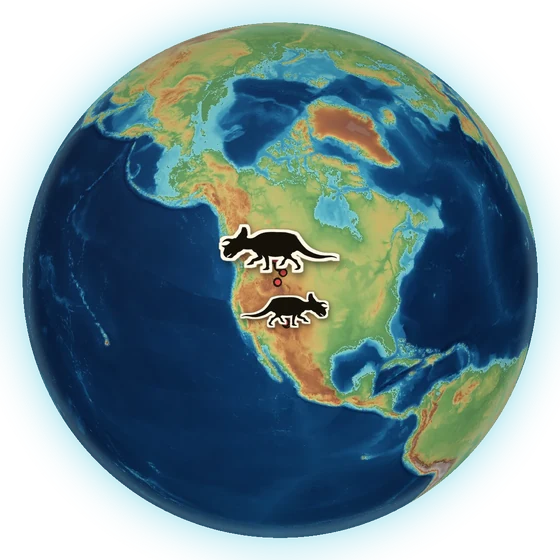
Where Monoclonius has been found
13 fossil finds of Monoclonius are recorded, in the United States and Canada.
Most come from the United States (7 of 13).
In the United States it has been found in Montana and New Mexico.
The finds come from 5 rock formations, most often the Oldman Formation (5).
When Monoclonius lived, these sites lay near 54 degrees north; today they are near 46 degrees north.
On the atlas's maps its finds appear at 80 million years ago.
| Place | Finds | |
|---|---|---|
| United States | 7 | |
| Canada | 6 |
Rock formations Oldman Formation5Judith River Formation3Kirtland Formation2Fruitland Formation1
Neighbours
Its world
Found in the same rocks
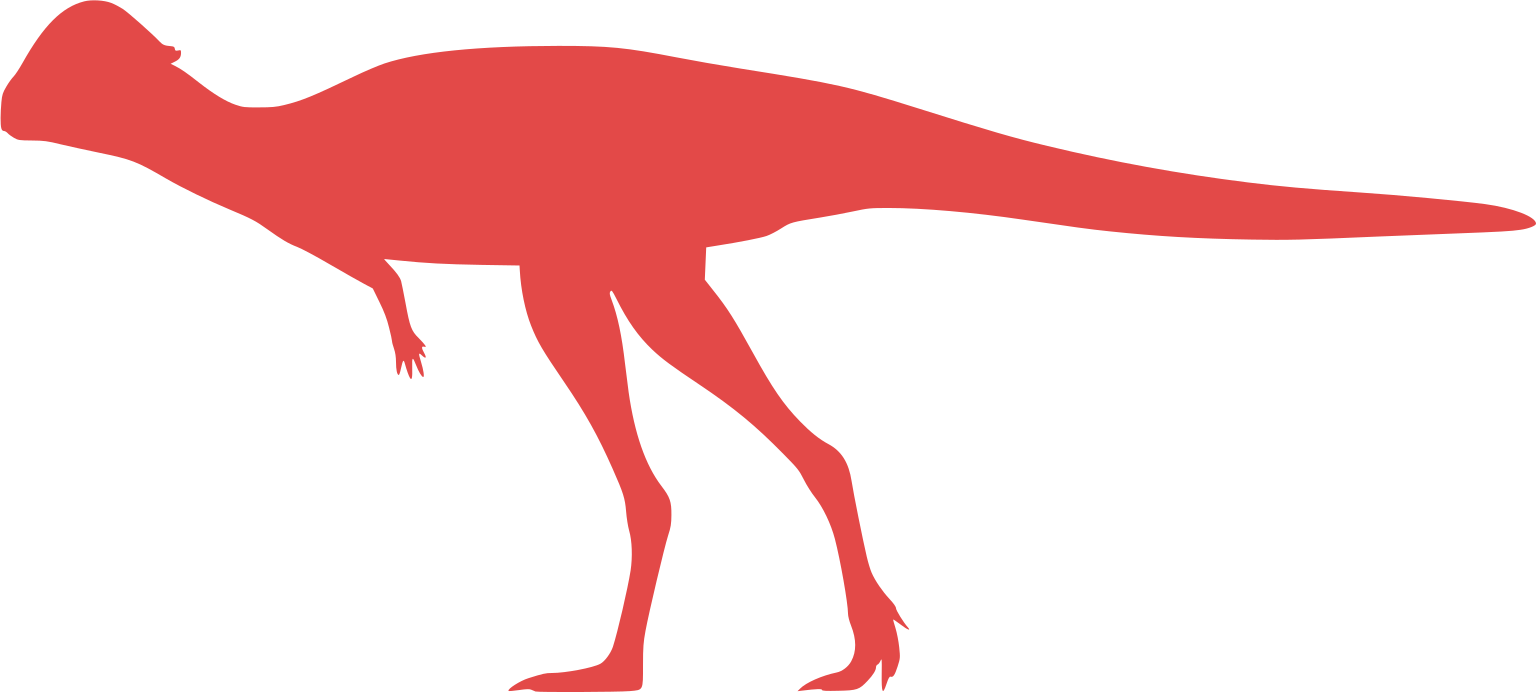 Stegoceras
 Albertosaurus
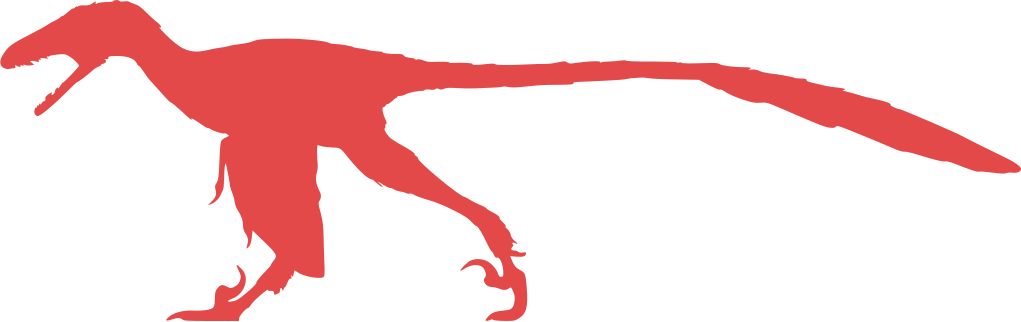 Saurornitholestes
 Kritosaurus
 Daspletosaurus
 Troodon
 Tyrannosaurus
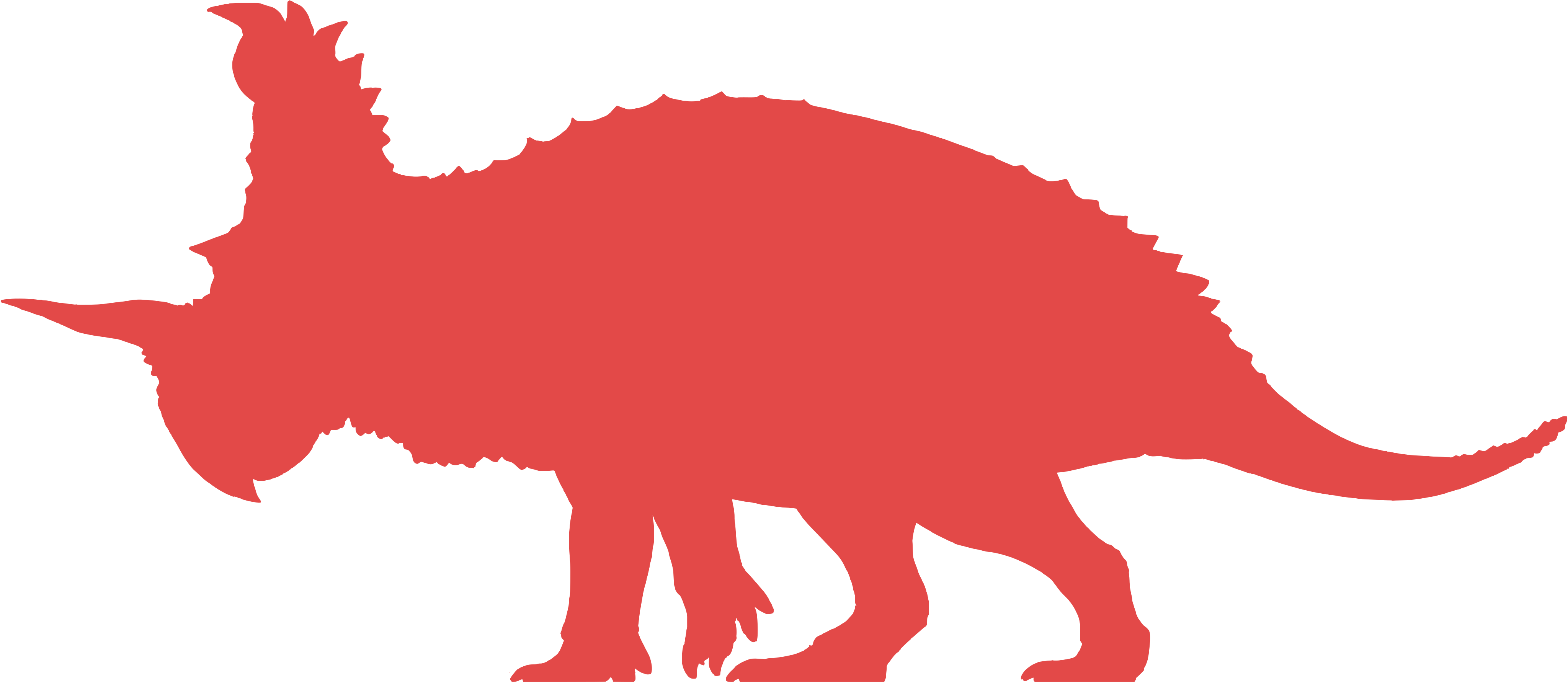 Centrosaurus

Sources
Fossil records were read from the Paleobiology Database on 2026-11-16. Monoclonius in the Paleobiology Database (CC0).
Ancient map: Scotese and Wright 2018, PALEOMAP PaleoDEMs, doi:10.5281/zenodo.5460860, CC BY 4.0, redrawn as shaded relief.
Life restoration: Monoclonius by Richard Deckert, Wikimedia Commons, Public domain.
Outline: Avaceratops lammersi by Scott Hartman, PhyloPic, CC BY 3.0.
The outline shown is of Avaceratops lammersi, a close relative; no openly licensed outline of Monoclonius was found.